

By clicking “Accept”, you agree to the storing of cookies on your device to enhance site navigation, analyse site usage, and assist in our marketing efforts. View our Cookie Policy for more information.
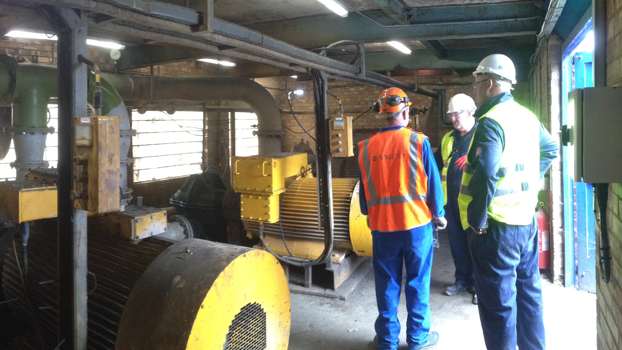
Dry ice blasting does not require equipment to be uninstalled or disassembled for cleaning — meaning downtime is measured in minutes, not hours or days.

During dry ice cleaning, contaminants are removed by blasting. As the contaminant is a solid it doesn't disappear like the dry ice — instead it is relocated to where it can be better dealt with.
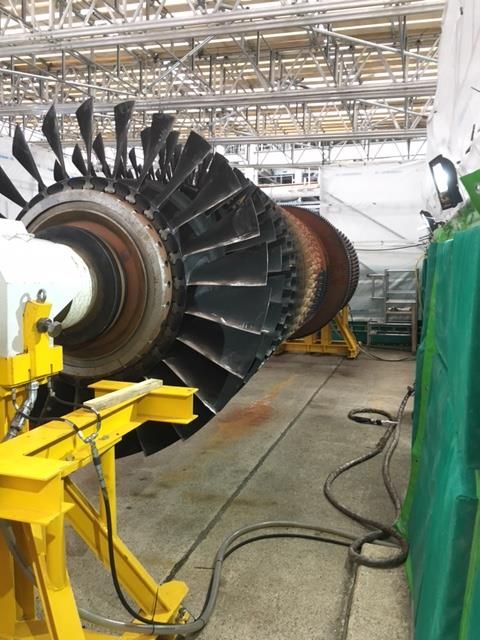
As dry ice strikes the surface it instantly converts to CO2 gas and returns to the atmosphere. CO2 is a naturally occurring trace gas, so dry ice cleaning is best done in a ventilated, open space.

Dry ice cleaning removes contaminants differently depending on the substrate — a compression tension wave pops brittle coatings like paint or rust off, while a flushing action shifts viscous coatings such as oil, grease or wax.